Buy hair-cut.eu ?
We are moving the project
hair-cut.eu .
Are you interested in purchasing the domain
hair-cut.eu ?
domain@kv-gmbh.de · 0541-91531010
Buy hair-cut.eu ?
What causes involuntary twitching?
Involuntary twitching can be caused by a variety of factors, including stress, fatigue, caffeine, and certain medications. It can also be a result of neurological conditions such as dystonia, Parkinson's disease, or Tourette syndrome. In some cases, involuntary twitching may be a symptom of an underlying medical condition or a side effect of certain medications. It is important to consult a healthcare professional if you are experiencing frequent or persistent involuntary twitching to determine the underlying cause and receive appropriate treatment. **
What is involuntary celibacy?
Involuntary celibacy, often referred to as "incel," is a term used to describe individuals who desire to be in a romantic or sexual relationship but are unable to find a partner. This can be due to a variety of factors such as shyness, social anxiety, physical appearance, or lack of social skills. Involuntary celibacy can lead to feelings of frustration, loneliness, and low self-esteem, and some individuals may become resentful or angry towards those who are able to form romantic relationships. It is important to note that while involuntary celibacy can be a source of distress, it is not an excuse for harmful or violent behavior towards others. **
Similar search terms for Involuntary
Top-Angebote
Products related to Involuntary:
-
Justmaellc Heavy Duty Hydraulic Barber Chair Salon Chairs for Hair StylistFeatures: 1. Heavy-Duty 440lb Capacity – Built for Professional Barbershops Industrial-strength steel frame & hydraulic pump safely support up to 440 lbs, making it ideal for all clients.319,99 $*Shipping: 0,00 $Secure redirect to the provider

-
Is this involuntary celibacy?
Involuntary celibacy, often referred to as "incel," is a term used to describe individuals who desire a romantic or sexual relationship but are unable to find a partner. It is characterized by feelings of frustration, loneliness, and rejection. If you are experiencing a lack of sexual or romantic relationships that is causing distress and feelings of isolation, it may be considered involuntary celibacy. It's important to seek support and explore ways to improve your social and dating life if you are feeling this way. **
-
What is involuntary eyelid twitching?
Involuntary eyelid twitching, also known as myokymia, is a common condition characterized by repetitive, uncontrollable spasms of the eyelid muscles. This twitching can occur in either the upper or lower eyelid and is usually harmless and temporary. It can be triggered by factors such as stress, fatigue, caffeine, or eye strain. In most cases, involuntary eyelid twitching resolves on its own without the need for medical intervention. **
-
What is an involuntary grin?
An involuntary grin is a smile that appears on a person's face without them consciously choosing to smile. It is often a spontaneous reaction to something that brings joy, amusement, or happiness. Involuntary grins are typically genuine and heartfelt, reflecting the person's true emotions in that moment. **
-
What is involuntary eye twitching?
Involuntary eye twitching, also known as myokymia, is a common condition characterized by repetitive, uncontrollable spasms or twitches of the eyelid muscles. These twitches are usually harmless and temporary, often caused by factors like stress, fatigue, caffeine, or eye strain. In most cases, involuntary eye twitching resolves on its own without the need for medical intervention. However, if the twitching persists or is accompanied by other symptoms, it is advisable to consult a healthcare professional for further evaluation. **

What is an involuntary smile?
An involuntary smile is a smile that occurs without conscious effort or intention. It is a natural reaction to something that brings joy, amusement, or happiness. Involuntary smiles are often spontaneous and genuine, reflecting a person's true emotions in that moment. These smiles can be triggered by a variety of stimuli, such as a funny joke, a heartwarming moment, or a pleasant surprise. **
How do I initiate involuntary therapy?
Involuntary therapy, also known as court-ordered therapy, typically begins with a court order mandating an individual to attend therapy. This can happen as part of a legal proceeding, such as a criminal case or a custody dispute. In some cases, concerned family members or friends may also petition the court to require someone to undergo therapy if they believe it is necessary for the individual's well-being. It is important to consult with a legal professional to understand the specific steps and requirements for initiating involuntary therapy in your situation. **
Top-Angebote
Products related to Involuntary:
-
BarberPub Classic Styling Salon Chair for Hair Stylist, with Hydraulic Pump Shampoo Chair Beauty Barber Salon Spa EquipmentItem Description: An excellent, comfortable salon chair will be the finishing touch to your salon or barbershops. Stylish interior design, highly skilled barbers and high quality salon chairs will impress your customers.359,99 $*Shipping: 0,00 $Secure redirect to the provider
-
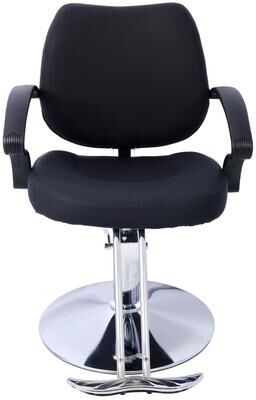
karlinc Hydraulic Salon Chair Hair Beauty Equipment Barber Chair with Headrest Black - N/AFeatures: 1. Designed to provide your customer best sitting experience during haircut 2. Offer comfort as well as style every barber desires 3. Heavy-duty construction, bear a load up to 150kg 4.229,24 $*Shipping: 0,00 $Secure redirect to the provider
-
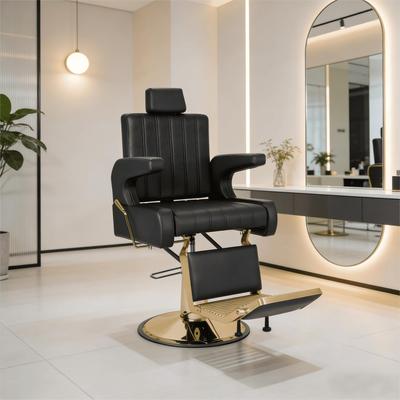
Justmaellc Heavy Duty Hydraulic Barber Chair Salon Chairs for Hair StylistFeatures: 1. Heavy-Duty 440lb Capacity – Built for Professional Barbershops Industrial-strength steel frame & hydraulic pump safely support up to 440 lbs, making it ideal for all clients.319,99 $*Shipping: 0,00 $Secure redirect to the provider
-
What causes involuntary twitching?
Involuntary twitching can be caused by a variety of factors, including stress, fatigue, caffeine, and certain medications. It can also be a result of neurological conditions such as dystonia, Parkinson's disease, or Tourette syndrome. In some cases, involuntary twitching may be a symptom of an underlying medical condition or a side effect of certain medications. It is important to consult a healthcare professional if you are experiencing frequent or persistent involuntary twitching to determine the underlying cause and receive appropriate treatment. **
-
What is involuntary celibacy?
Involuntary celibacy, often referred to as "incel," is a term used to describe individuals who desire to be in a romantic or sexual relationship but are unable to find a partner. This can be due to a variety of factors such as shyness, social anxiety, physical appearance, or lack of social skills. Involuntary celibacy can lead to feelings of frustration, loneliness, and low self-esteem, and some individuals may become resentful or angry towards those who are able to form romantic relationships. It is important to note that while involuntary celibacy can be a source of distress, it is not an excuse for harmful or violent behavior towards others. **
-
Is this involuntary celibacy?
Involuntary celibacy, often referred to as "incel," is a term used to describe individuals who desire a romantic or sexual relationship but are unable to find a partner. It is characterized by feelings of frustration, loneliness, and rejection. If you are experiencing a lack of sexual or romantic relationships that is causing distress and feelings of isolation, it may be considered involuntary celibacy. It's important to seek support and explore ways to improve your social and dating life if you are feeling this way. **
-
What is involuntary eyelid twitching?
Involuntary eyelid twitching, also known as myokymia, is a common condition characterized by repetitive, uncontrollable spasms of the eyelid muscles. This twitching can occur in either the upper or lower eyelid and is usually harmless and temporary. It can be triggered by factors such as stress, fatigue, caffeine, or eye strain. In most cases, involuntary eyelid twitching resolves on its own without the need for medical intervention. **
Similar search terms for Involuntary
-
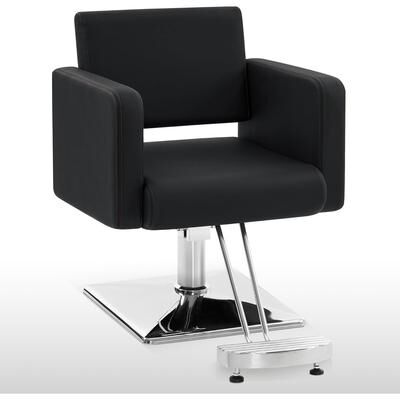
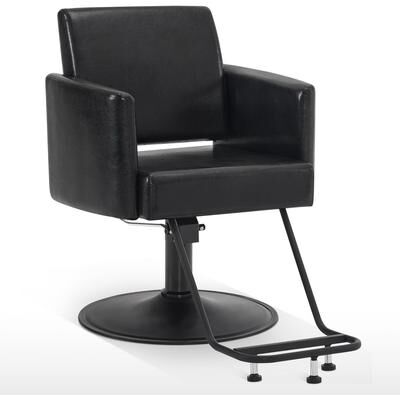
BarberPub Modern Salon Chair, All Black Barber Styling Chair for Hair StylistItem Description: This modern black salon chair can create a stylish and professional atmosphere for hair salon. The seat cushion, armrest and backrest are made from high-quality faux leather, providing comfort and easy maintenance.356,99 $*Shipping: 0,00 $Secure redirect to the provider
-
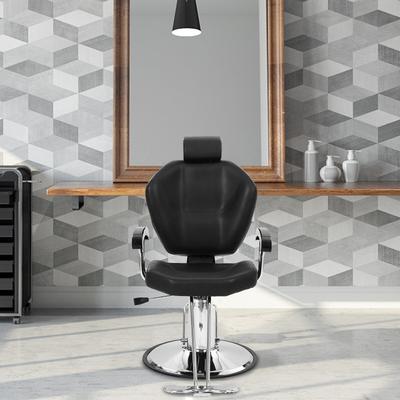
Justmaellc Upgrated Hydraulic Reclining Barber Chair Salon Chairs for Hair StylistFeatures: 1. Heavy-Duty 440lb Capacity – Built for Professional Barbershops Industrial-strength steel frame & hydraulic pump safely support up to 440 lbs, making it ideal for all clients.337,49 $*Shipping: 0,00 $Secure redirect to the provider
-
What is an involuntary grin?
An involuntary grin is a smile that appears on a person's face without them consciously choosing to smile. It is often a spontaneous reaction to something that brings joy, amusement, or happiness. Involuntary grins are typically genuine and heartfelt, reflecting the person's true emotions in that moment. **
-
What is involuntary eye twitching?
Involuntary eye twitching, also known as myokymia, is a common condition characterized by repetitive, uncontrollable spasms or twitches of the eyelid muscles. These twitches are usually harmless and temporary, often caused by factors like stress, fatigue, caffeine, or eye strain. In most cases, involuntary eye twitching resolves on its own without the need for medical intervention. However, if the twitching persists or is accompanied by other symptoms, it is advisable to consult a healthcare professional for further evaluation. **
-
What is an involuntary smile?
An involuntary smile is a smile that occurs without conscious effort or intention. It is a natural reaction to something that brings joy, amusement, or happiness. Involuntary smiles are often spontaneous and genuine, reflecting a person's true emotions in that moment. These smiles can be triggered by a variety of stimuli, such as a funny joke, a heartwarming moment, or a pleasant surprise. **
-
How do I initiate involuntary therapy?
Involuntary therapy, also known as court-ordered therapy, typically begins with a court order mandating an individual to attend therapy. This can happen as part of a legal proceeding, such as a criminal case or a custody dispute. In some cases, concerned family members or friends may also petition the court to require someone to undergo therapy if they believe it is necessary for the individual's well-being. It is important to consult with a legal professional to understand the specific steps and requirements for initiating involuntary therapy in your situation. **
* All prices are inclusive of VAT and, if applicable, plus shipping costs. The offer information is based on the details provided by the respective shop and is updated through automated processes. Real-time updates do not occur, so deviations can occur in individual cases. ** Note: Parts of this content were created by AI.